

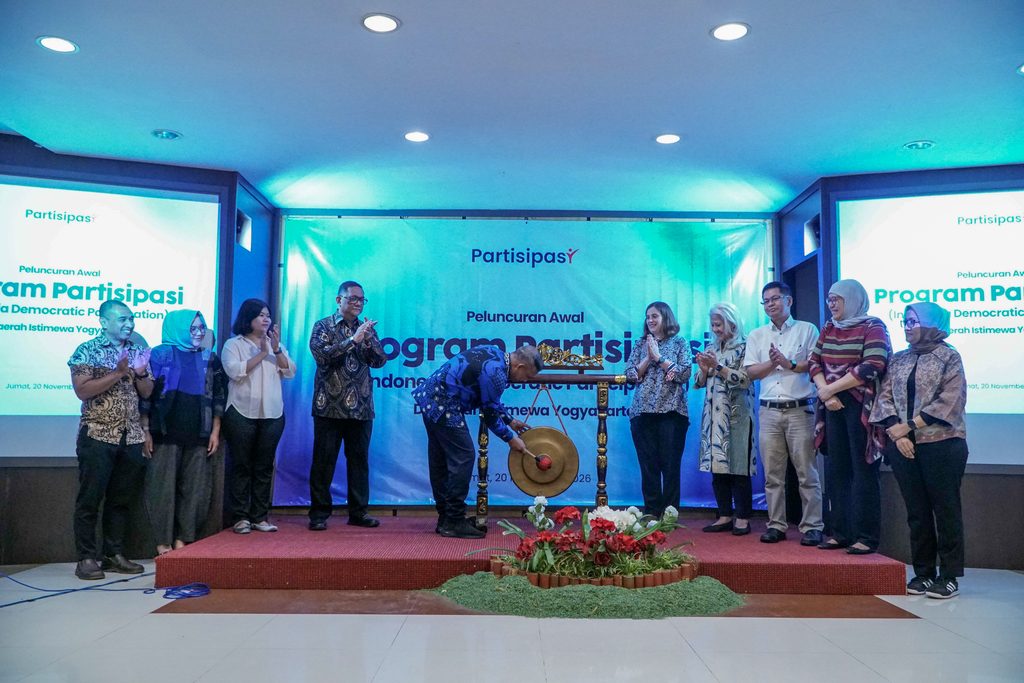
Yogyakarta (20/11/2026). The PARTISIPASI (Indonesia Democratic Participation) Program was officially launched in Yogyakarta to strengthen the role of citizens, civil society, and vulnerable groups in advancing a more participatory and inclusive democracy that has a meaningful impact on their lives.
PARTISIPASI is an Australia-Indonesia development partnership that will run until 2030 in four provinces: Aceh, the Special Region of Yogyakarta, South Sulawesi, and Jakarta. The program focuses on five strategic areas: electoral integrity, parliamentary engagement, civic participation and education, independent and quality media, and strengthening efforts to combat misinformation and disinformation.
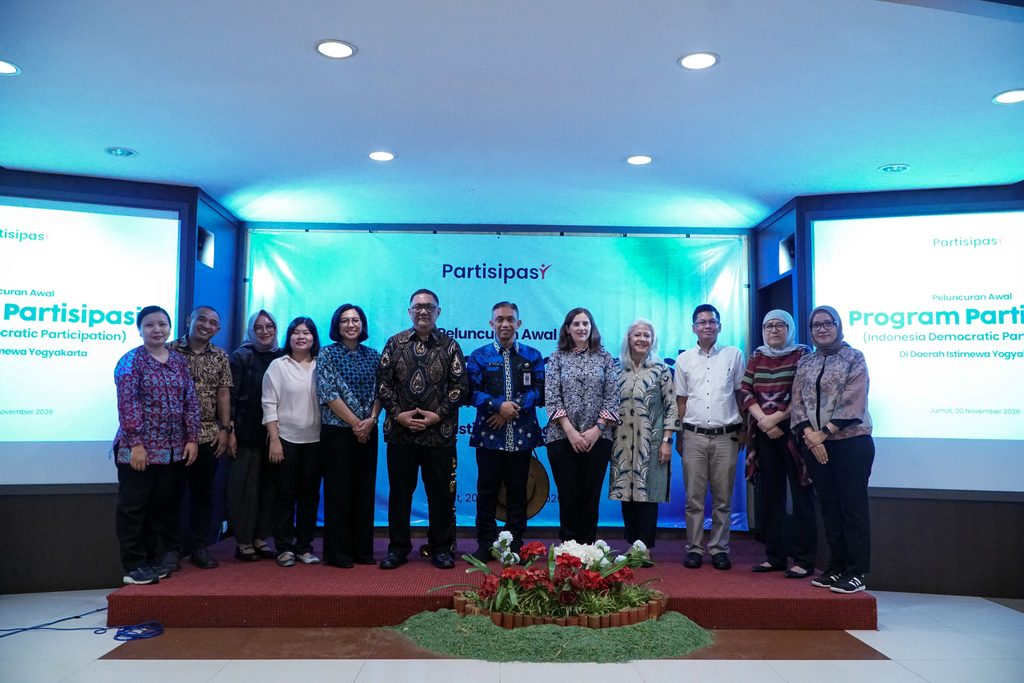
The event was attended by representatives of the Australian Government, the Ministry of National Development Planning (Bappenas), the Regional Government of the Special Region of Yogyakarta (DIY), and PARTISIPASI’s Core Group Partners (CGP), comprising The Asia Foundation (TAF), KEMITRAAN Partnership for Governance Reform, the Alliance of Independent Journalists (AJI) Indonesia, the Centre for Strategic and International Studies (CSIS), the International Foundation for Electoral Systems (IFES), and Westminster Foundation for Democracy (WFD) Indonesia. Representatives of civil society organizations, local partners, academics, media, as well as the DIY General Elections Commission (KPU) and Election Supervisory Agency (Bawaslu) were also in attendance.
In her opening remarks, The Asia Foundation (TAF) Country Representative, Hana A. Satriyo, highlighted Yogyakarta’s long history of upholding democracy, as well as its networks of civil society organizations, universities, and young people, as valuable assets for fostering spaces for dialogue.
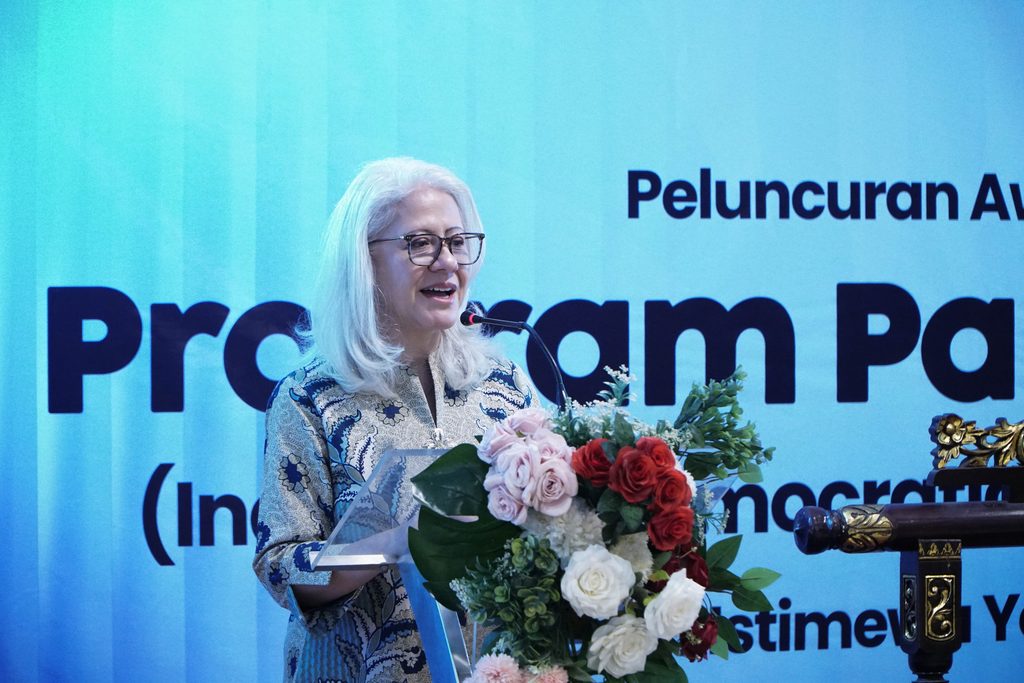
“We hope that today marks the beginning of conversations that will lead to concrete collaboration, rooted in priorities identified at the grassroots level by community groups and civil society, so that these can inform policymaking that benefits everyone,” she said.
Representing the Australian Government, Emma Blanch, First Secretary for Justice and Democratic Governance, noted that democratic challenges are also being experienced in Australia and globally, ranging from misinformation and disinformation to declining public trust.
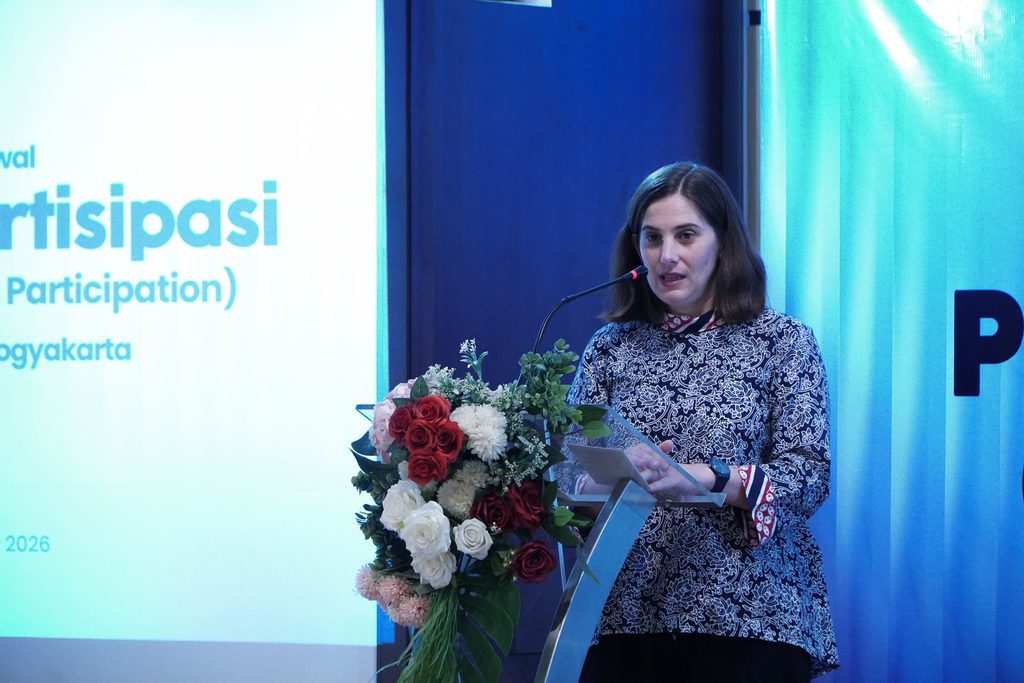
“Through this program, we hope to exchange experiences in support of the shared priorities of both countries. While our contexts are certainly different, we also have much to learn from Indonesia,” she said.
Meanwhile, Erwin Dimas, SE, D.E.A., M.Si., Deputy for Political, Legal, Human Rights, Defence, and Security Affairs at the Ministry of National Development Planning (Bappenas), welcomed the program and emphasized its alignment with national development priorities. He also highlighted Yogyakarta’s distinctive character, particularly its high levels of youth engagement and social movements.
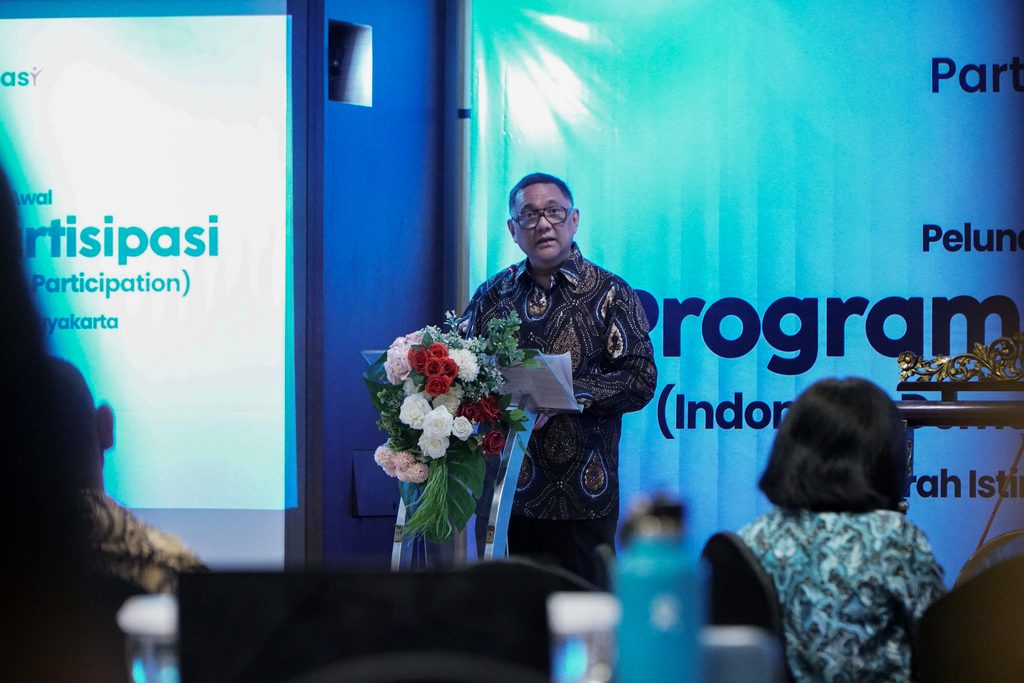
“We should make the most of this program to ensure it is effective and provides valuable lessons, so that in the future it can be replicated as a regular program across ministries, government institutions, and local governments,” he said.
Representing the Governor of DIY, Lilik Andi Aryanto, S.IP., MM., Head of the DIY National Unity and Politics Agency, reminded participants that the quality of democracy cannot be measured solely by the conduct of elections, but also by the strength of public trust in government.
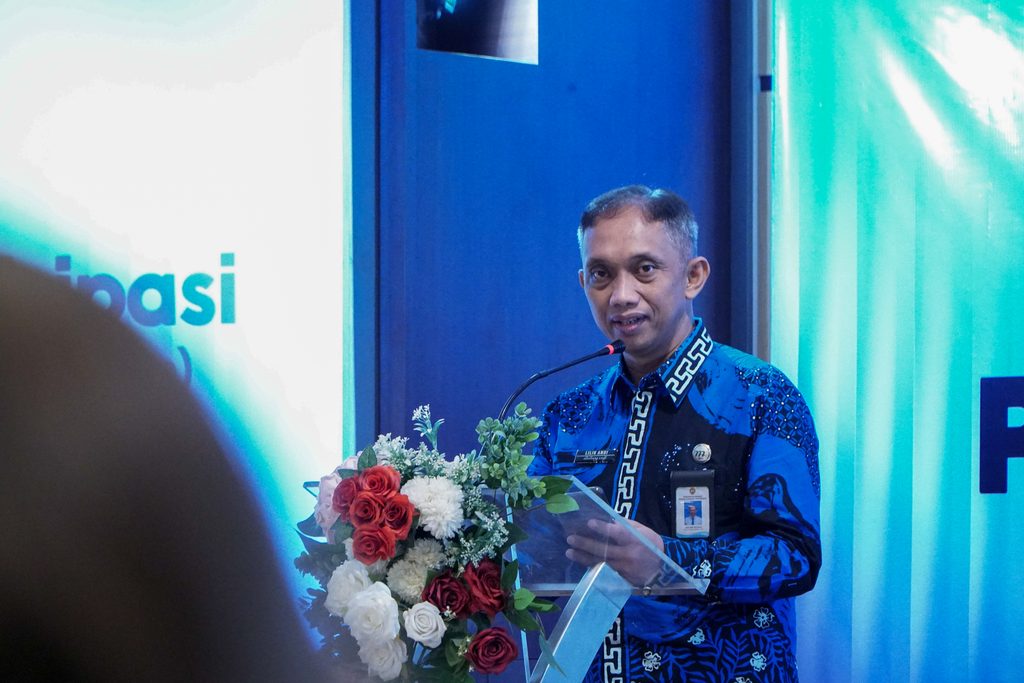
“Democracy fundamentally rests on trust: the trust that the state is willing to listen to the people’s voices, and that citizens have the space to help shape the direction of their shared future,” he explained.
Mochamad Mustafa, TAF Program Director for Democracy and Governance, outlined the program’s direction in Yogyakarta. Building on the lessons and networks established through the Democratic Resilience Program over the past five years, PARTISIPASI aims to move from participation towards influence (from participation to influencing).
“We hope that together, over the next five years, we can make all these efforts more connected and integrated, and ultimately generate real impact. Impact is sometimes not simply a matter of capacity or knowledge, but rather about building relationships, bridging gaps, connecting different actors, and turning these connections into mechanisms that can ultimately shape policy,” he said.
In Yogyakarta, KEMITRAAN will work in partnership with Combine Resource Institution (CRI), focusing on strengthening civic participation and education. According to Citra Referandum, KEMITRAAN’s Program Manager for Democracy, Justice, and Public Service, efforts to strengthen Yogyakarta’s civil society ecosystem will be carried out through four strategies.
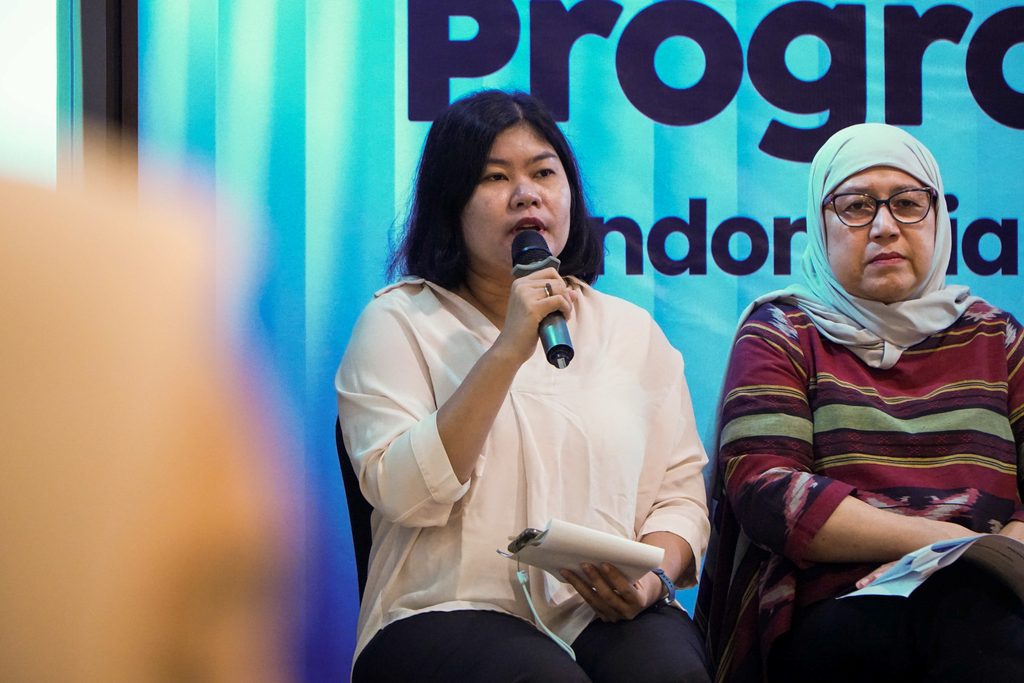
“First, we will establish a deliberative forum called Konsultasi Raya (Grand Consultation) to agree on shared priority issues. Second, we will strengthen the holistic security of civil society and its ecosystem. Third, we will develop a civic arena as a space for civil society to enhance its engagement. Finally, we will promote policy engagement on issues agreed upon by civil society actors within each local ecosystem,” she explained.
Furthermore, Citra emphasized that vulnerable groups are actors and subjects of the program, not merely its objects.
“Persons with diverse disabilities, women, young people, Indigenous Peoples, and other marginalized groups are part of the actors within the ecosystem itself. They are not the end goal, but rather the starting point. This is a journey we must undertake together,” she said.
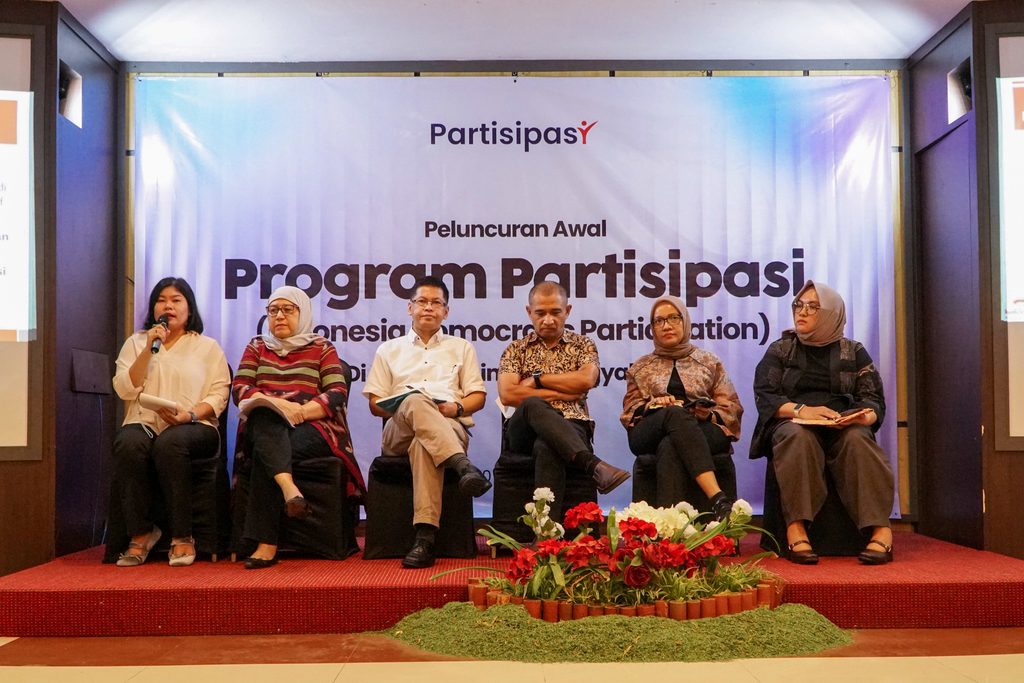
Through this approach, KEMITRAAN hopes to create stronger spaces for civil society, vulnerable groups, and citizens to voice their interests and influence public policies that directly affect their everyday lives.