

By: Yael Stefany

I was born and raised in a sudung, a simple house made of wood and leaves standing on the edge of the forest in Bukit Dua Belas National Park, Jambi. Since childhood, my life has been nomadic, moving from place to place following food sources. The forest was my home, my school, and my playground. There I learned to recognize animal tracks, catch fish, hunt, and collect jernang fruit used for lip dye or weaving. As a girl, I still went into the forest. I never imagined that my life would be very different from the traditions of my ancestors.
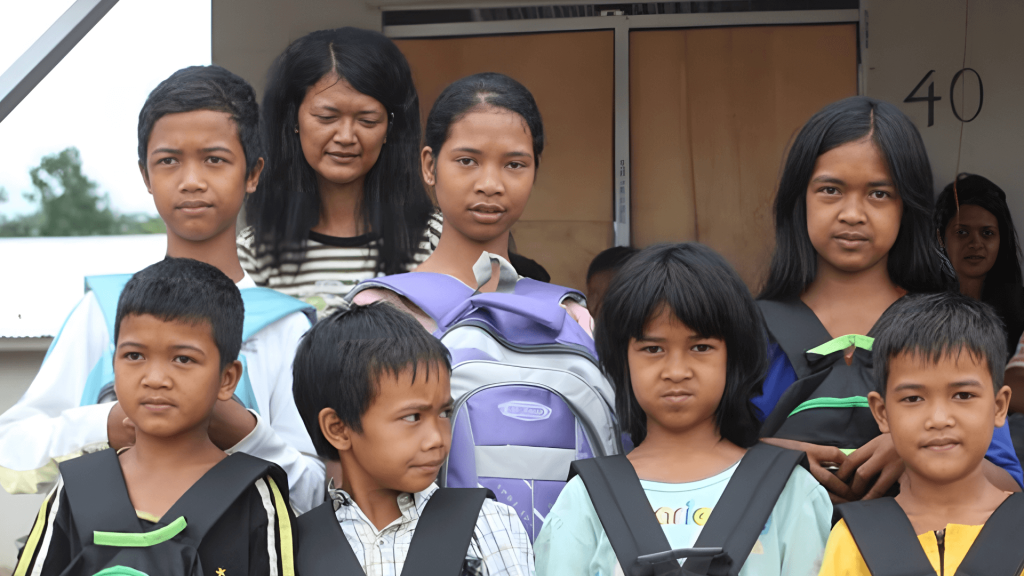
I often saw other children walking neatly in their uniforms with bags on their backs on their way to school. Every time I saw them, I felt both envious and curious. What did they do at school? What did they learn and how many friends did they have? From there, I began to feel interested and wanted to go to school.
But school was not easy for children of the SAD community because we did not have civil registration documents. At that time, I did not even understand what that meant. As I grew older, I learned that to enter elementary school, we had to have identification documents such as a birth certificate and a family card. Back then, most people in our group did not have identity cards because we lived nomadically and marriages were conducted according to customary practices and were not officially recorded.
Eventually, I told my parents about my wish to go to school. I wanted to study, and they allowed me. Through an empowerment program run by Pundi Sumatera, I became a student at the nature school they organized. That was where I first learned basic literacy and numeracy, reading, writing, and counting. We were very enthusiastic because the children in my community had long wanted to learn; we simply did not know where to start.
The nature school became the first doorway. My parents began to see that reading and counting were not just lessons. They were tools so we would not easily be deceived when selling forest products or palm oil. While teaching us, the facilitators from Pundi Sumatera also helped record the members of our rombong (group) in order to process civil registration documents.
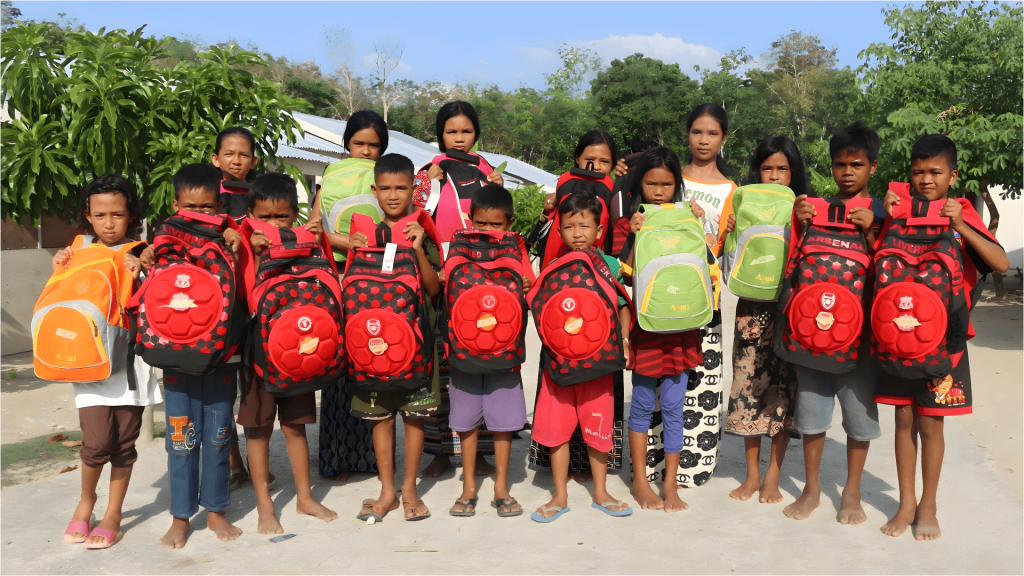
The facilitators spoke with government agencies and local authorities so we could access basic services. At that time, I did not understand. Now I know that before I could sit in a formal classroom, there had already been a struggle to ensure that my name was officially recognized.
Even after I was accepted into a formal school, things did not suddenly become easy. I was often mocked as an “orang kubu” and told that I did not deserve to go to school. Those words made me afraid to make friends. I became very quiet. I never told my parents because I was afraid they would pull me out of school. I kept the sadness to myself.
Learning in the classroom was also challenging. There were many homework assignments, and teachers often asked students to come to the front of the class to answer questions. We were not used to speaking in front of many people. After school, I and many other children still had responsibilities to help our parents at home.
Facing such situations, many of my friends chose to give up. But for me, my curiosity was always greater than my exhaustion. My determination to go to school overcame all the challenges. Besides, quitting school was never an option.
As a girl, I was taught to be diligent and to stay close to home, and many girls were married once they reached the age of fifteen. But not me. I was determined to continue my education. When I moved on to junior and senior high school, comments began to appear.
“What is the point of girls getting a high education? Won’t they just end up back at home?”
In response, I chose to remain silent. Not because I agreed, but because I was not yet brave enough to resist. For me, as long as my Apak (father) and Amak (mother) supported my education, that was more than enough fuel to keep my spirit alive.
At home, I also became involved in a group economic initiative supported by Pundi. After several failed attempts, from raising goats to farming, Pundi worked with us to build a catfish pond. The harvest was processed into smoked fish, a method of preservation that had been practiced in our community for generations.
Later, the Fisheries Office provided training on smoking techniques and packaging. I was one of the participants in the training. After it succeeded, we took the initiative to start selling smoked fish. What had once been only for our own consumption now had economic value. As I began to contribute, people started to see me as a woman who pursued education while also helping drive the family’s economy. At that point, economic contribution became a bridge between my choice to pursue education and social acceptance.
As I approached graduation from high school, the pressure to marry became stronger. Many of my friends stopped studying because they were married off. Meanwhile, my determination to continue my education grew stronger. I wanted to go to university. This desire deepened when I had the opportunity to visit a campus with Pundi Sumatera. For the first time, I saw a world I had never imagined before. I felt unfamiliar with it, but also deeply interested.
I was accepted into the Faculty of Forestry at Muhammadiyah University of Jambi. I chose that major because the forest had always been part of my life and my community. The difference was that now I was studying it scientifically. Going to university also became a way to keep my distance from the pressure to marry. At first, my parents did not allow it. But with encouragement from the facilitators, they eventually agreed, on the condition that I stay in a safe place and under supervision. I knew that decision was not easy for them.
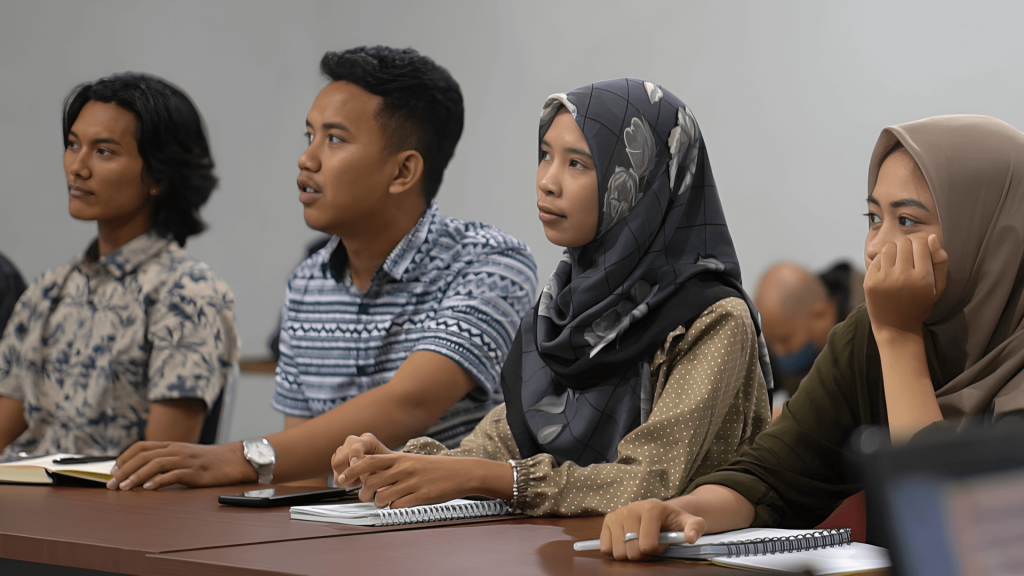
At campus, I found a different atmosphere. There was no ridicule. No one looked down on my background. I joined practicums, writing trainings, and various activities. Slowly, the fear of being rejected disappeared and was replaced by a growing confidence in myself, I could do it. I have never been ashamed of being part of my community.
During my time at university, I also saw changes in my community. People began to be involved in trainings, health services such as posyandu, and village meetings. I myself was invited several times to discussions with government offices. Those changes did not happen overnight. They grew from a long process of building trust.
In 2024, I graduated with cum laude honors. Many people called me the first woman from the SAD community to graduate from university. I am grateful. But I know that this achievement is not only about me. It is about the journey that began when I lived in a sudung, when my name had not yet been registered, when I was afraid of being mocked, when I almost gave up. It is about the support and trust from my parents, the facilitators, and the opportunities that slowly opened.
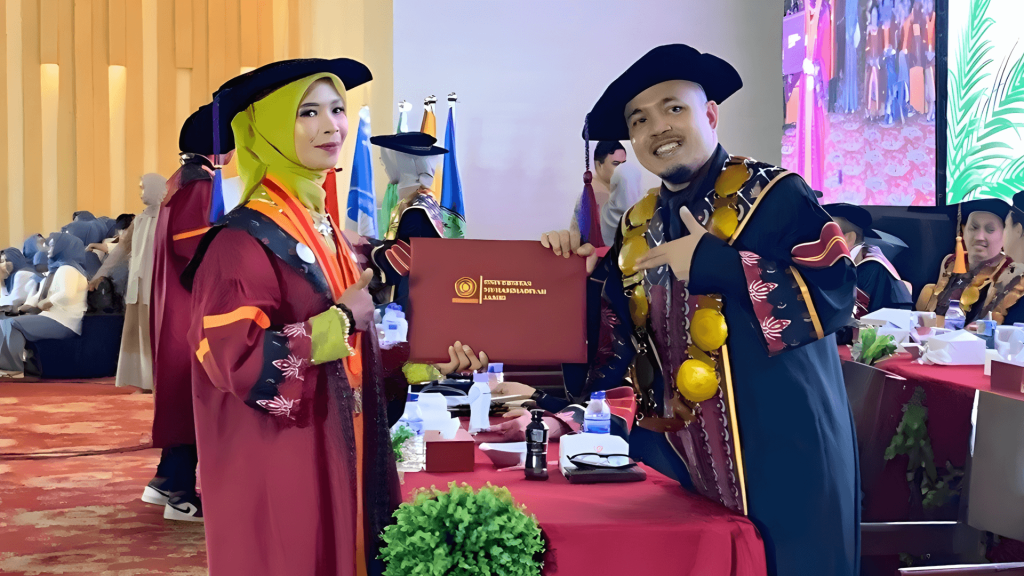
Now I have returned to my community. Together with seven friends, we are developing a smoked fish business. Women are the driving force behind it. We manage the business in a more structured way. I also help facilitate group forums. I used to be afraid to speak. Now I dare to express my opinions.
I see more and more girls wanting to go to school. The biggest challenges still lie in parental permission and old social norms. But I believe that when one person walks ahead, the path becomes clearer for others.
I once only wanted to wear a school uniform like other children. Today I realize that what has changed is not only my uniform, but also the way I see myself, the way my community sees education and women, and the way the world is beginning to see us.